

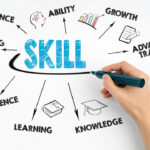
Diversifying Knowledge and Skill Set to Meet the Demands of an Ever-Changing Work Environment
Job Description
In today’s fast-evolving global economy, the only constant is change. Industries are being reshaped by automation, artificial intelligence, digital transformation, and shifting consumer behaviors. The traditional model of mastering one skill and relying on it for a lifetime career is rapidly fading. To stay relevant and competitive, professionals must embrace a culture of continuous learning and diversify their knowledge and skill sets.
The New Reality of Work
The modern workplace no longer operates within rigid boundaries. Technology has blurred the lines between industries, job roles, and even geographical locations. A marketer is now expected to understand data analytics. A journalist must grasp digital publishing tools and audience metrics. An entrepreneur needs knowledge of finance, branding, technology, and customer experience.
Organizations increasingly value adaptability over static expertise. Employers are seeking individuals who can pivot, collaborate across disciplines, and solve complex problems creatively. This shift underscores the need for professionals to expand beyond their core specializations.
Why Diversification Matters
- Increased Employability
A diverse skill set enhances career resilience. When industries face disruption, professionals with transferable skills can transition more easily into emerging roles. For instance, strong communication, analytical thinking, and digital literacy apply across nearly every sector. - Innovation and Creativity
Exposure to multiple disciplines fosters innovative thinking. When knowledge from different fields intersects, new ideas emerge. Many groundbreaking innovations occur at the intersection of technology, design, and human behavior. - Career Flexibility and Growth
Diversified skills create more opportunities for advancement. Professionals who understand both strategic thinking and technical execution are better positioned for leadership roles. - Adaptability to Technological Change
With rapid advancements in automation and AI, technical skills must be continuously updated. Learning complementary skills—such as data analysis, project management, or digital marketing—ensures relevance in a competitive job market.
The Power of Lifelong Learning
The concept of lifelong learning has become central to career sustainability. Online platforms like Coursera, LinkedIn Learning, and Udemy have democratized access to education. Professionals can now acquire new competencies from anywhere in the world, often at minimal cost.
Certifications in emerging fields such as data science, cybersecurity, product management, and digital transformation can significantly enhance one’s profile. However, diversification does not always require formal certification. Practical experience, volunteering, mentorship, and cross-functional collaboration within an organization are equally valuable pathways.
Soft Skills: The Ultimate Differentiator
While technical knowledge evolves rapidly, soft skills remain enduring assets. Communication, emotional intelligence, critical thinking, and teamwork are essential in navigating dynamic work environments. In fact, as automation takes over routine tasks, uniquely human skills become even more valuable.
Leadership today is less about authority and more about adaptability and collaboration. Professionals who can inspire, guide change, and manage uncertainty stand out in competitive markets.
Building a Diversified Skill Strategy
Diversifying knowledge should be intentional, not random. Here are practical steps to consider:
- Assess Industry Trends: Identify skills in demand within your field and adjacent industries.
- Adopt a T-Shaped Approach: Develop deep expertise in one core area while building broad knowledge across related disciplines.
- Embrace Digital Literacy: Regardless of industry, understanding digital tools and data is critical.
- Engage in Cross-Disciplinary Projects: Volunteer for projects outside your comfort zone.
- Seek Mentorship and Networking Opportunities: Learning from professionals in diverse fields expands perspective.
The Nigerian and Global Context
In emerging economies like Nigeria, diversification is particularly important. Rapid technological adoption, a growing startup ecosystem, and increasing global connectivity demand versatile professionals. The rise of fintech, creative industries, digital media, and tech-driven agriculture illustrates how hybrid skills are shaping new opportunities.
Globally, the gig economy and remote work culture further emphasize flexibility. Professionals who can combine technical expertise with entrepreneurial thinking are better equipped to thrive in freelance and hybrid work models.
Conclusion
Diversifying knowledge and skill sets is no longer optional—it is a strategic necessity. In an ever-changing work environment, adaptability is the new job security. By committing to continuous learning, cultivating both technical and soft skills, and embracing interdisciplinary growth, professionals can position themselves not only to survive disruption but to lead through it.
The future of work belongs to those who are curious, versatile, and prepared to evolve.